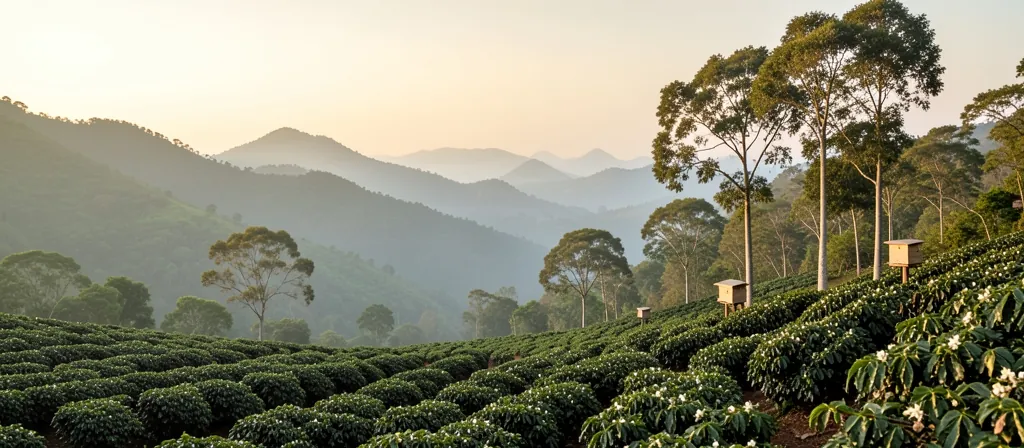
March · after the first rain
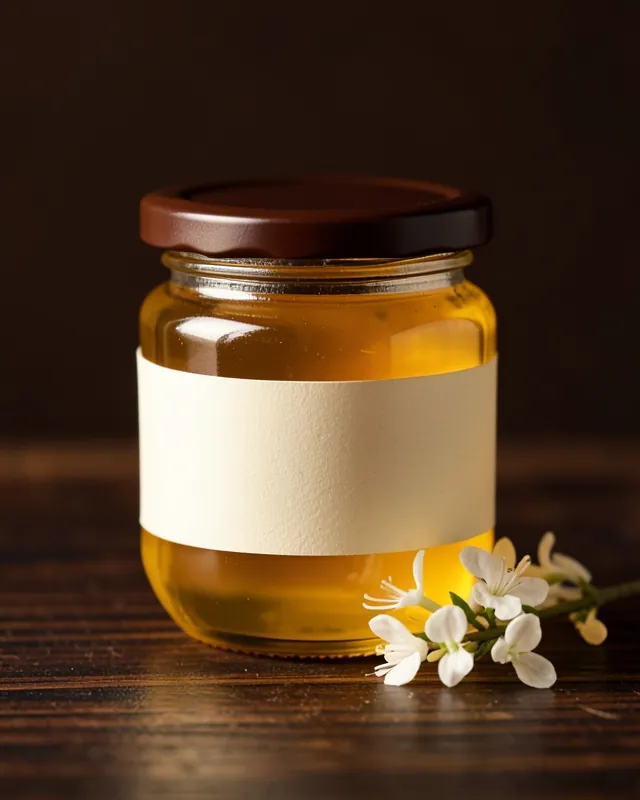
Coffee Blossom
Pale gold and floral, with a soft jasmine finish. Lovely in warm milk or over curd.
₹360/ 250 g
Raw, unheated forest honey from the hills of Coorg — gathered by hand with beekeeping families who know every flowering tree in the valley.
Taste the seasonOur hives sit where coffee estates meet evergreen hill forest. The bees forage on coffee blossom, wild shrubs and tall forest trees — nothing is planted for them and nothing is fed to them. We buy from small beekeeping families across the valley, pay per kilo at a fair, fixed rate, and only ever take what the colony can spare.
“Watch for the coffee to flower after the first rain — that week, the whole valley smells of jasmine, and the boxes grow heavy.”
Each jar tastes of the weeks it was made in. Pick a size — we ship across India in glass jars, packed in paper.
Pale gold and floral, with a soft jasmine finish. Lovely in warm milk or over curd.
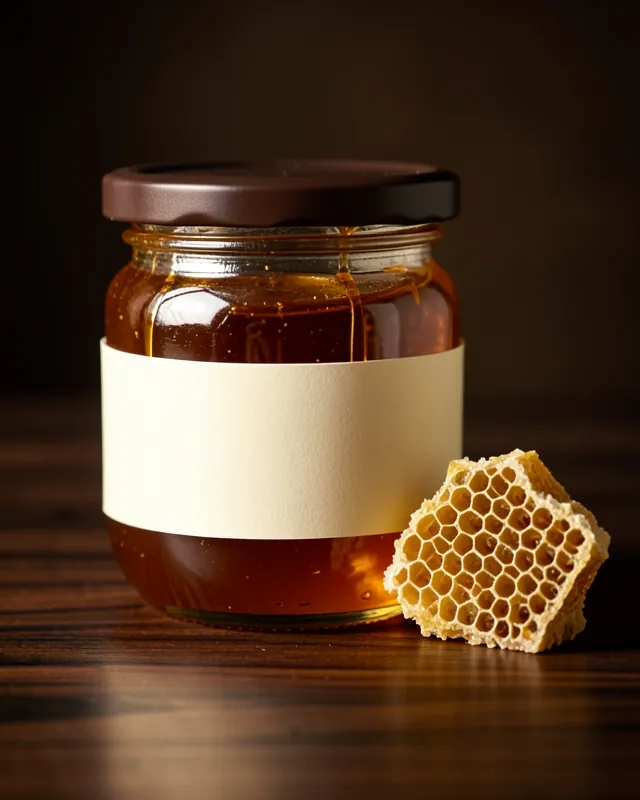
A multiflora honey from many forest trees at once. Round, warm and everyday-good.
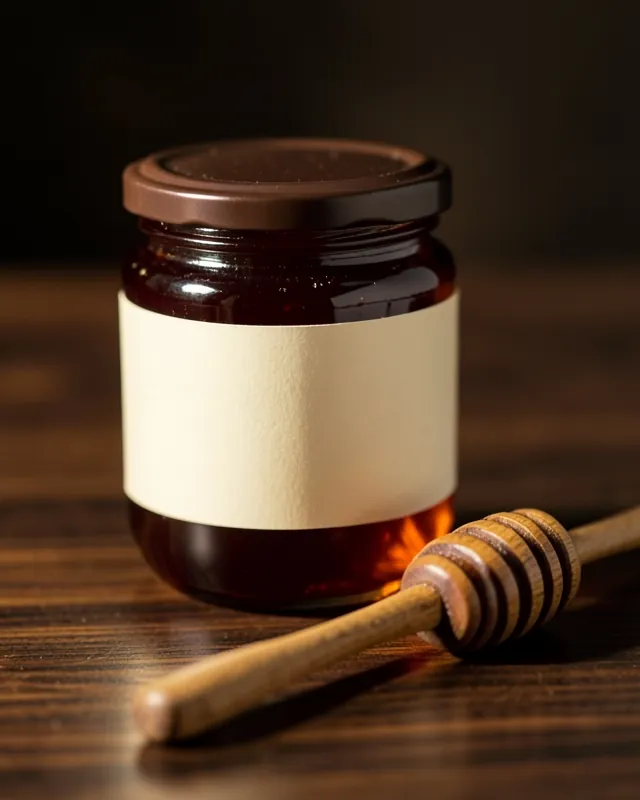
From the giant wild rock bee. Deep amber, bold and slightly smoky, with a bitter-cocoa edge.
Raw honey crystallises naturally in cool weather — that's a good sign. Stand the jar in warm (not hot) water to loosen it.
Five steps, done by hand. No heating, no fine-filtering, no blending across seasons — so what reaches you is what the bees made.
Our keepers watch which trees are flowering and leave the boxes alone until the bees have filled and capped the comb.
Brood frames stay in the hive. We take the outer honey frames and leave plenty behind for the colony.
The wax caps are sliced off and the frames turned in a hand-cranked extractor, the same day, in the village.
A single pass through muslin catches wax bits but keeps the pollen. The honey settles for a week in steel drums — never heated.
Every jar is filled and labelled with its batch number, harvest month and the area it came from.
Before a batch is jarred, a sample goes to an independent food-testing lab. We don't print badges we can't back up — instead, send us the batch number on your jar and we'll email you that batch's report.
Orders ship from Madikeri every Monday and Thursday. Write to us for bulk jars, gifting boxes or a batch report.
Write to us© 2026 Honey Valley — a fictional brand. Concept website designed & built by Brand Evolution.